Why Everyone Thinks Their Grandma Is The Best Cook
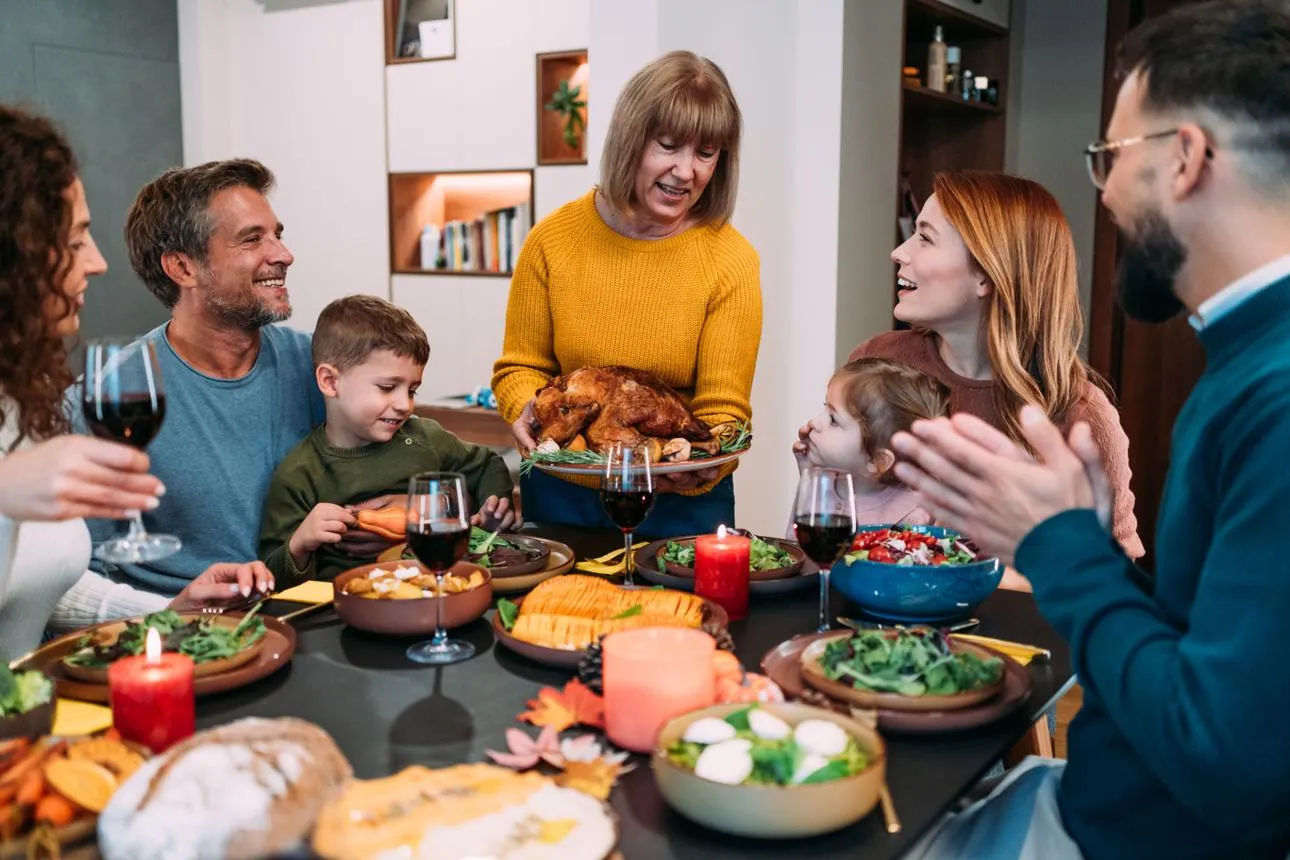
Let’s settle this once and for all.
Everyone thinks their grandma is the best cook.
Not a good cook. Not an above-average cook.
The best.
And somehow, we’re all convinced we’re right.
Ask almost anyone about their favourite meal and you’ll hear a surprisingly similar answer.
“My grandma’s lasagna.”
“My grandma’s soup.”
“My grandma’s pie.”
“My grandma’s cabbage rolls.”
“My grandma’s roast dinner.”
It’s never:
“That chicken sandwich I had at the airport in 2017.”

There is something suspicious happening here, because statistically speaking, not every grandma can be the world’s greatest cook.
And yet, according to the entire population, they are.
So what’s going on?
For starters, grandmas don’t believe in recipes the way the rest of us do.
Most of them operate entirely on instinct.
Ask for measurements and you’ll receive answers like:
“A little bit.”
“A handful.”
“Until it looks right.”
“Just enough.”
Extremely helpful.
You can watch a grandma make the exact same recipe five times and somehow it turns out slightly different every single time.
Nobody knows how. Scientists have stopped trying to understand it.
Then there’s the hospitality factor.
Restaurants serve food. Grandmas provide an experience.
You arrive hungry.
You leave carrying three containers of leftovers and questioning every life choice that led you to think one serving would be enough.
A typical conversation goes something like this:
“Are you hungry?”
“No, I’m okay.”
Five minutes later you’re eating a full meal.
Twenty minutes later you’re taking dessert home.
Thirty minutes later she’s asking if you need sandwiches for tomorrow.
Resistance is futile.
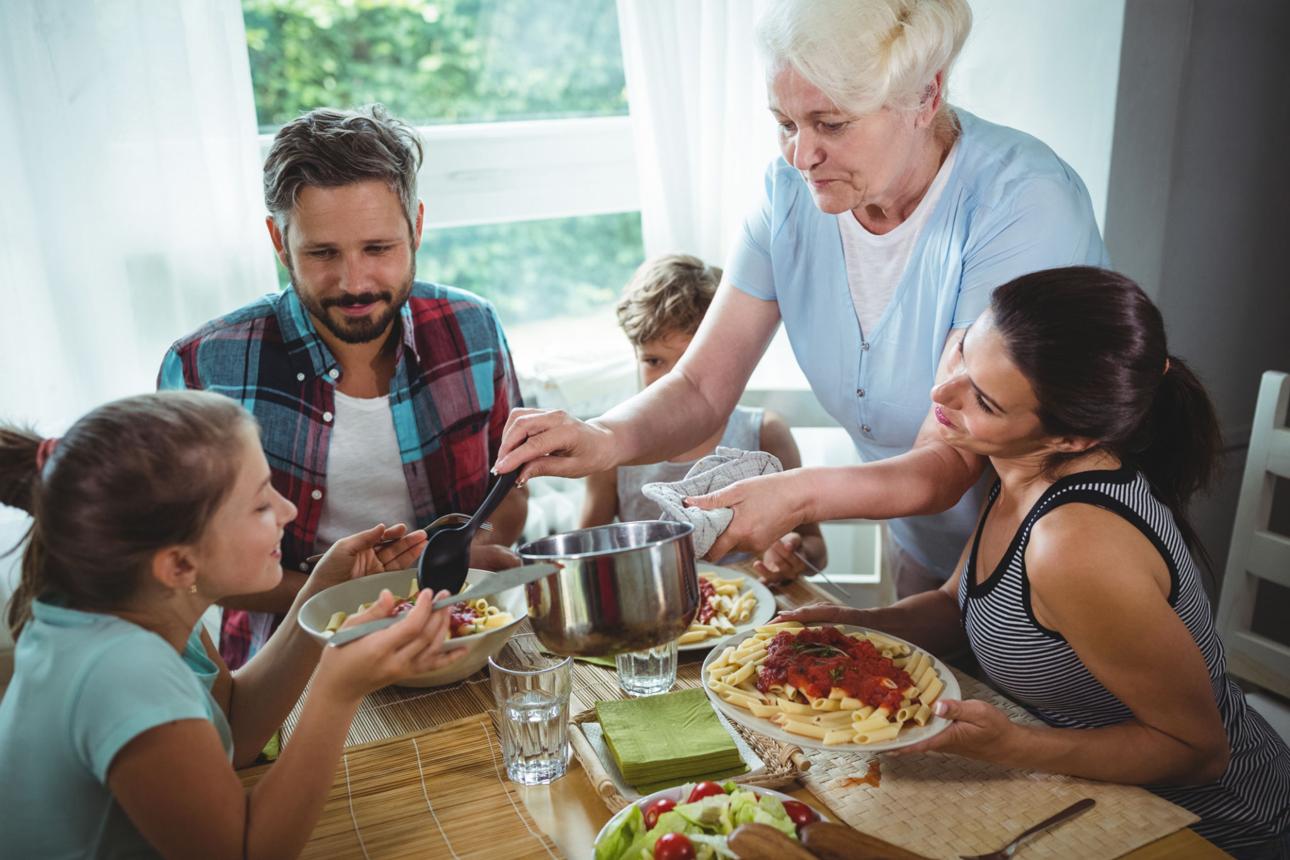
But the real reason grandma food tastes different has nothing to do with ingredients.
It’s the environment.
Think about it.
Grandma’s kitchen usually comes with:
- The smell of something baking.
- Stories you’ve heard a hundred times.
- Family photos.
- A table that’s seen decades of birthdays, holidays, celebrations, and random Tuesday dinners.
- A person who’s genuinely excited you’re there.
That’s a difficult thing to recreate in a restaurant.
Nobody is paying $42 for a pasta dish because it reminds them of quarterly earnings reports.
People remember how food made them feel.
And grandma’s food almost always comes with feelings attached.
Comfort. Connection. Belonging. Safety.
The funny thing is that most grandmas don’t think they’re doing anything special.
They’re just feeding people. It’s what they’ve always done.
But somewhere between the extra scoop of potatoes you didn’t ask for and the leftovers mysteriously appearing in your hands, they’re creating something bigger than dinner.
They’re creating memories.
That’s why every family has that one recipe everyone argues about.
The pie, the soup, the stuffing, the sauce.
The cookies.
The recipe itself is only half the story.
The other half is who made it.
Which explains why you can follow the recipe exactly and still hear someone say:
“It’s good, but it’s not Grandma’s.”
Of course it’s not.
The missing ingredient isn’t butter.
It’s Grandma.
And unfortunately, nobody has figured out how to buy that at the grocery store.
So if your grandma is still around and still insisting you take home leftovers, do yourself a favour.
Take the leftovers. Listen to the story. Ask for the recipe.
Even if the instructions somehow include the phrase “you’ll know.”
Because one day, you’ll be telling someone else about the world’s greatest cook.
And somehow, it’ll be your grandma too.