

Taking care of your brain health starts now
Despite what many people assume, 95% of Alzheimer’s cases aren’t caused by genetics — which means your everyday choices matter more than you might think.
Your lifelong brain health starts now, and there are so many things you can do to reduce your risk. It’s about how you move, rest, think, and connect — every day.
Already doing those things? You’re likely supporting your brain more than you realize.

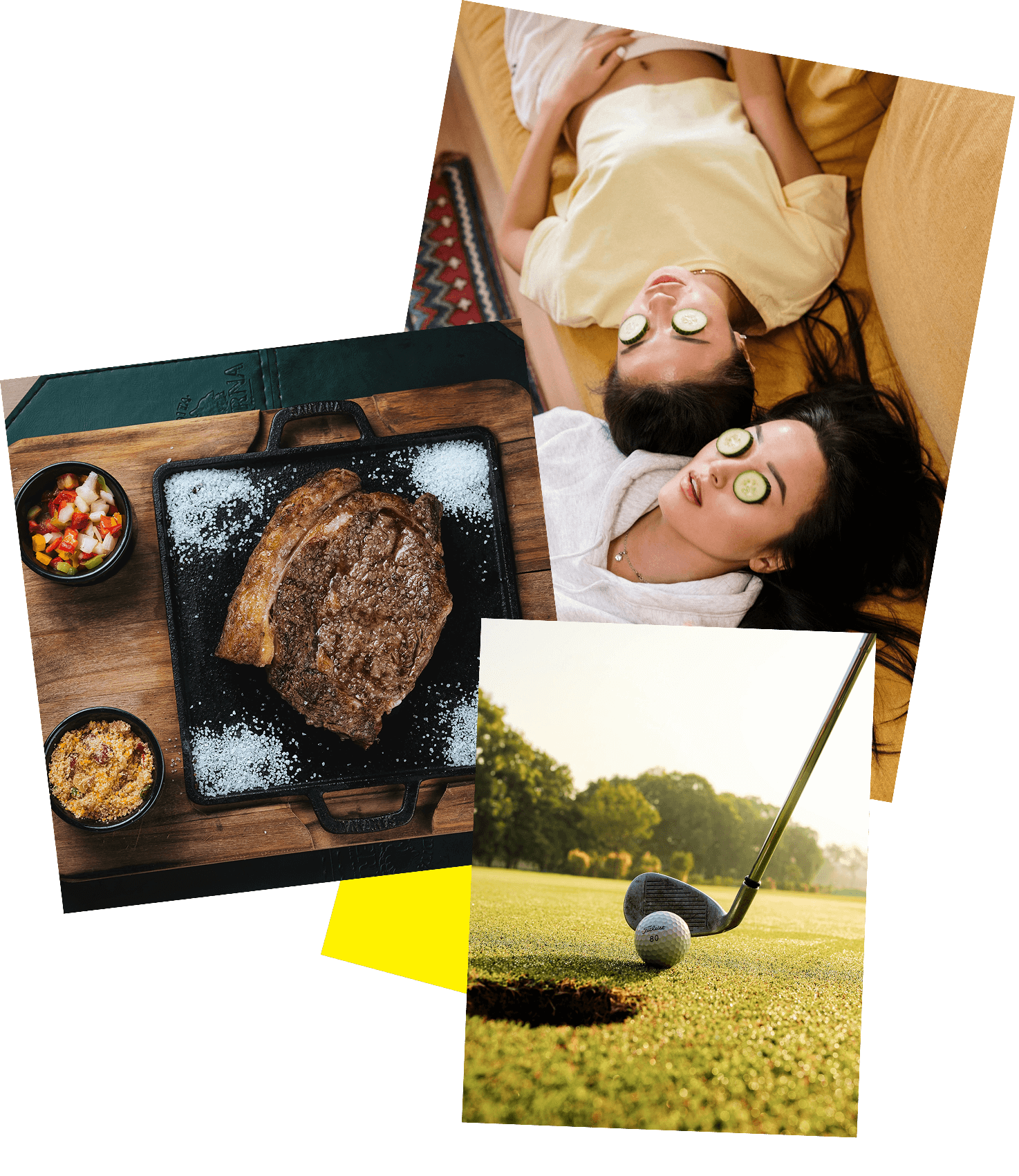

What if brain health was part of self-care?
Brain health is often left out of wellness conversations — but it’s shaped by how we live every day. While aging is the biggest risk factor for dementia, most risk is shaped over time.
Your brain health is shaped over time
Some factors, like aging, are outside our control. But many others are shaped by how we live our everyday lives.
How we manage stress, rest, movement — and creativity — all plays a role. What you do most often matters more than what you do perfectly.

You’re probably already supporting your brain
Modern life looks different than it did a generation ago. More screens. More noise. More choice. More pressure to keep up. But it also includes movement, curiosity, creativity, connection, and self-care — often in ways people don’t label as “brain health.”
Here’s what that really looks like.
Scroll Culture & Attention
Modern scrolling fragments attention, but how we spend downtime matters. Curiosity, novelty, and engagement help keep the brain active.
Read more
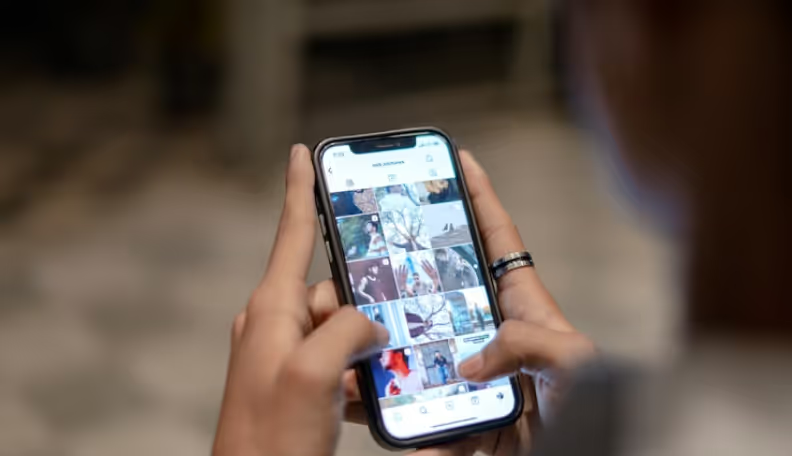
Most adults now spend 4–6 hours a day on their phones, often in short bursts that split attention across apps, tabs, and tasks.
“Doomscrolling” and “rotting” didn’t become common language by accident — people recognize themselves in it. But attention is a brain skill. It’s how we spend our downtime that shapes it.
If you’re going to be on the couch, why not switch it up? Watch a show about a topic you’ve never explored. Research a place you’ve always wanted to visit. Bring back that childhood obsession and see what still sparks curiosity.
Curiosity matters. Novelty matters. Engagement matters.
Read less
Movement as Culture (Not Punishment)
Movement today is social and enjoyable. When exercise feels good, people stick with it — supporting focus, mood, and brain health.
Read more
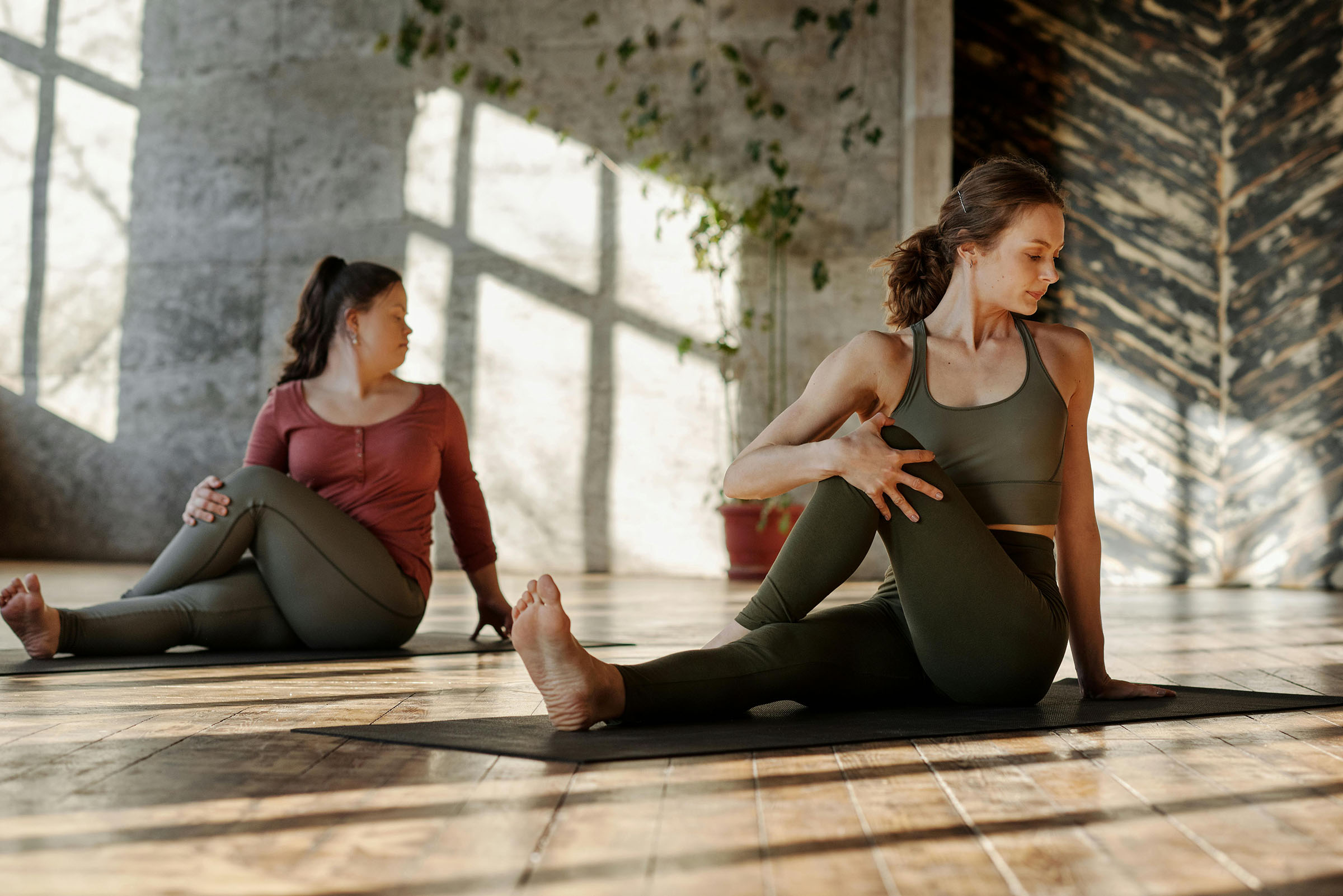
Fitness today is less about obligation and more about identity and community.
Hyrox. Pilates. Spin. Barre. Run clubs. Climbing gyms. Pickleball.
Movement has become social, music-driven, and experience-based. People stick with what feels good.
That matters, because regular movement supports focus, mood, and long-term brain health — especially when it’s something you actually enjoy.
Read less
Curiosity Is Having a Moment
Podcasts and audiobooks turn everyday moments into learning. Curiosity doesn’t need screens — it can sound like a story.
Read more
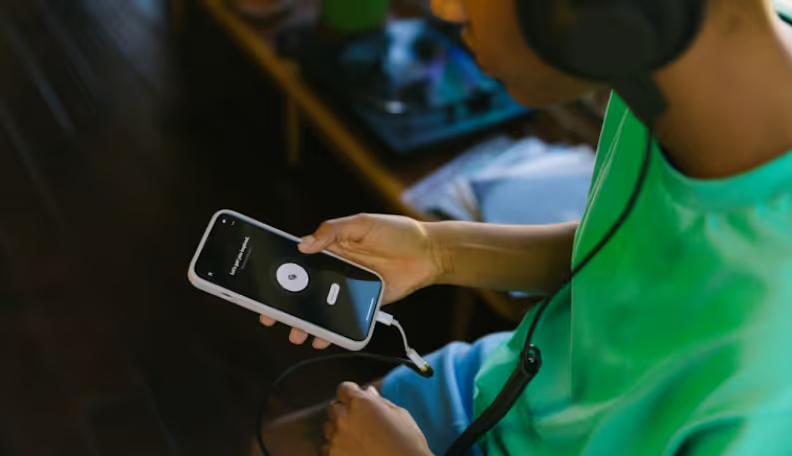
Podcasts, audiobooks, and long-form audio are booming — especially among people who want stimulation without more screen time.
Listening while walking, cooking, or commuting blends mental engagement with everyday movement.
Learning doesn’t have to feel like a chore. It can sound like a playlist. Or feel like a good story.
Read less
The Return of “Old” Hobbies
Puzzles, reading, and games are back. Slower hobbies build creativity, problem-solving, and deeper mental engagement.
Read more

Puzzles, board games, trivia nights, journaling, reading, vinyl, crafting — slower hobbies are trending again.
People are craving depth, not just distraction.
Problem-solving, creativity, and learning activate the brain in ways scrolling alone doesn’t.
And culture is quietly pulling people back toward them.
Read less
Rest Is the New Flex
Rest supports regulation, not laziness. Recovery, boundaries, and stress care help the brain function better over time.
Read more

Skin care routines. Massage. Red light therapy. Recovery days.
Conversations about burnout, boundaries, and nervous-system care are everywhere.
Rest isn’t indulgent, it’s regulation. Managing stress and allowing real recovery supports how the brain functions — both now and over time.
Read less
Connection Is Currency
Shared experiences and real connection are rising again. Social engagement supports resilience, mood, and long-term brain health.
Read more
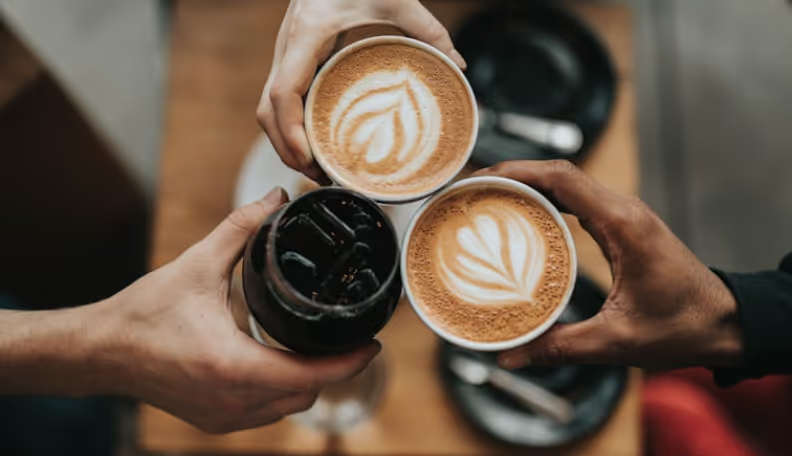
Even in a hyper-connected world, many people feel socially stretched.
That’s why clubs, classes, group fitness, shared experiences, and intentional time with friends are on the rise again.
Connection supports more than mood. It supports resilience, engagement, and long-term brain health.
Read less
Taken together, this is the bigger picture. None of these habits work alone, but together — over time — they matter. And the good news is that many of them are already part of your life. Supporting your brain often happens quietly, through the ways you move, rest, stay curious, and connect with others.
Supporting brain health can be simple
Whether a person likes to read, run, paint, cycle or more, most activities can be adjusted to suit the person as their symptoms progress. Here’s how:
1
Notice
Pay attention to what helps you feel grounded, engaged, and connected. Movement, mood, curiosity, and connection all tell part of the story.
2
Keep Going
One walk. One class. One conversation. One moment of rest. You don’t need a grand plan to support your brain.
3
Stay Connected
Brain health is shaped over time — and it’s easier when we don’t try to do it all on our own.


What the StillMe movement is about
StillMe is about caring for your brain at every stage of life — through everyday choices that support long-term brain health.
It’s about staying sharp, curious, and connected. And about recognizing that aging can bring cognitive changes, without reducing a person to their symptoms. StillMe is about awareness, not fear. Risk reduction, not guarantees.
This movement exists to help people stay engaged with life for longer, whether they’re focused on prevention or living with dementia.
Because a diagnosis doesn’t erase a person. And brain health doesn’t have to wait. Be part of the StillMe movement.