Why the Internet Fell in Love With Baddie Winkle
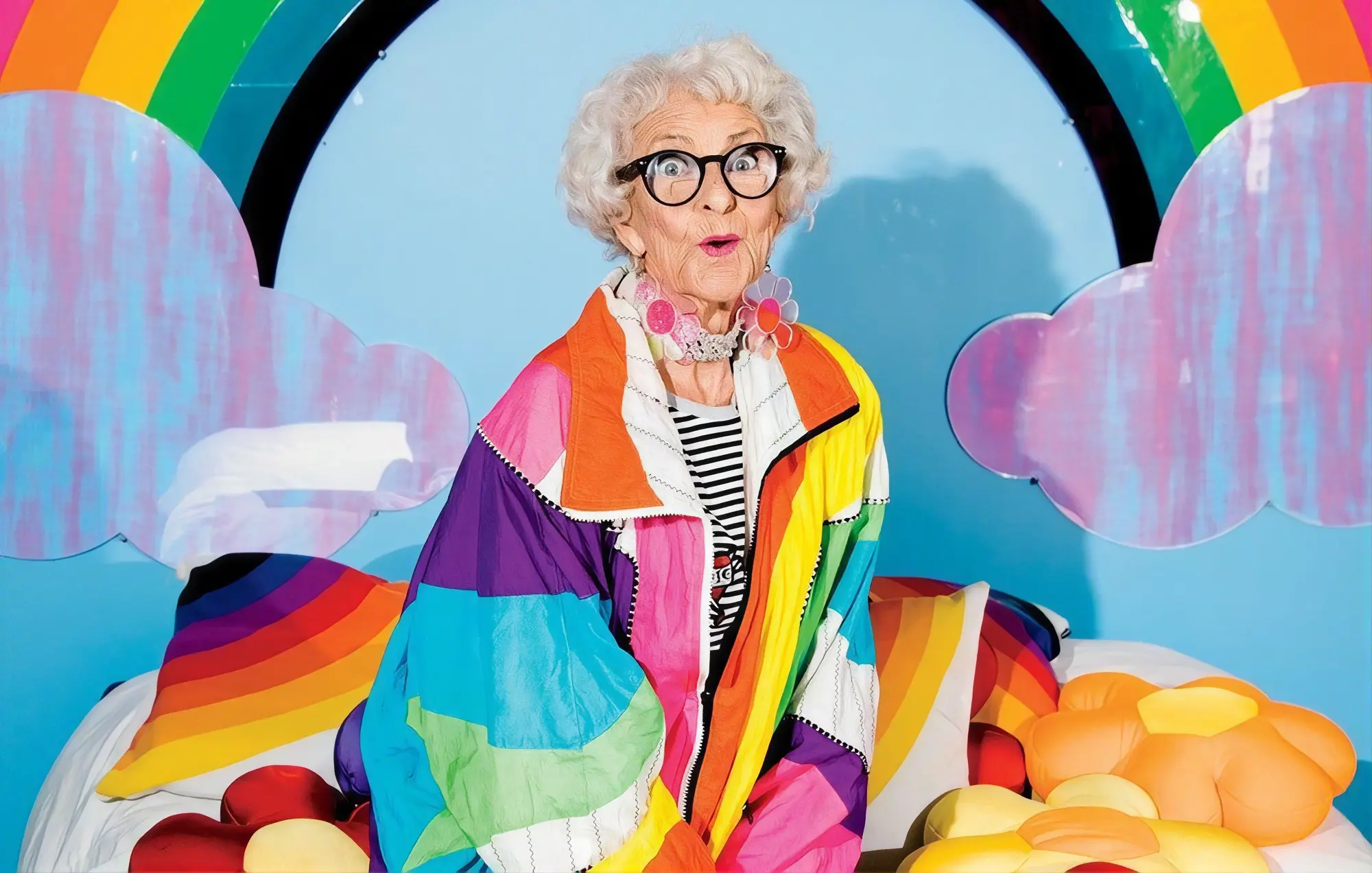
If you’ve spent any amount of time online over the last few years, chances are you’ve come across Baddie Winkle.
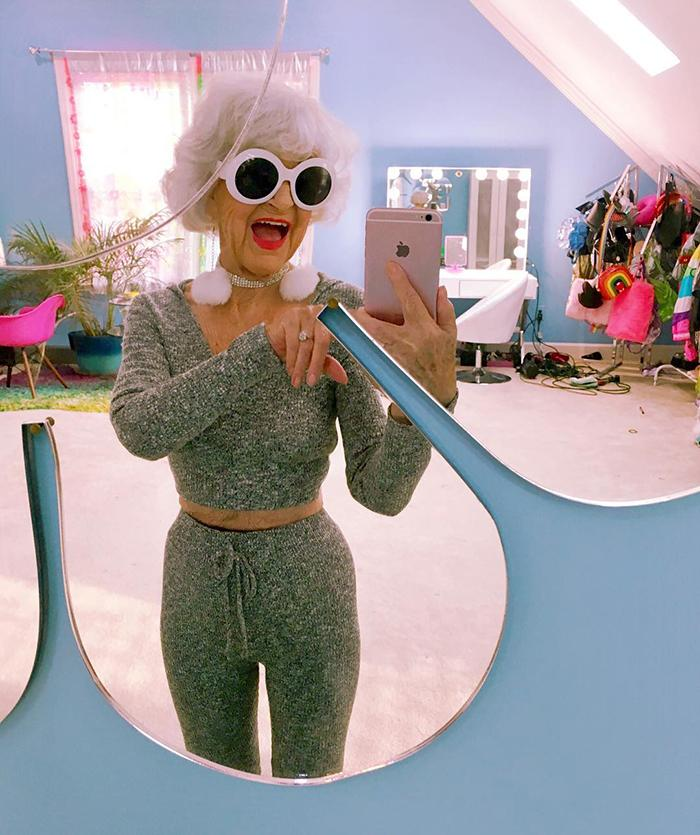
Bright pink hair. Rhinestones. Oversized sunglasses. Sequins. Glitter. Outfits most people wouldn’t have the confidence to wear at any age, let alone in their 90s.
And somehow, the internet collectively looked at her and went: “Yeah. She’s iconic.”
Not inspirational in the overly serious way people sometimes talk about older adults online. Not in a “good for her” kind of way.
People genuinely loved her energy.
They quoted her captions. Shared her photos. Dressed up as her for Halloween. Celebrities followed her. Brands wanted to work with her. Younger generations completely embraced her.
We think the reason people connected to her so strongly says a lot about what we’re all craving right now.
Because Baddie Winkle didn’t become famous for acting younger than she was.
She became famous because she looked completely comfortable being herself.
That’s what made her magnetic.
The internet is so curated now. Everyone’s trying to optimize themselves into perfection. People are terrified of looking uncool, aging, embarrassing themselves, wearing the wrong thing, saying the wrong thing, existing too loudly.
Meanwhile Baddie Winkle showed up online in neon outfits and heart-shaped sunglasses acting like none of those rules applied to her.
And people loved her for it.
Not because she reminded people of aging.
Because she reminded people of freedom.
There’s something really interesting about the way society talks about older adults. People often expect them to become smaller versions of themselves over time. Quieter. More reserved. Less expressive. Less visible.
As if getting older means slowly fading into the background.
But then someone like Baddie Winkle shows up wearing platform boots and posting selfies like she owns the internet, and suddenly people realize how strange those assumptions are in the first place.
Why should personality expire at a certain age?
Why do people act shocked when older adults are funny, bold, stylish, sarcastic, playful, opinionated, social, creative, flirtatious, weird, chaotic, joyful?
Those traits don’t disappear with age. People just stop expecting to see them.
That’s part of why content featuring older adults often goes viral online. Not because people are mocking them, but because it breaks the script society quietly hands us about what aging is “supposed” to look like.
And maybe people are getting tired of that script.
You can see it everywhere right now.
People romanticizing handwritten recipes from their grandparents. Young people learning how to knit and garden and bake bread. Videos of grandparents dancing together getting millions of views. Entire aesthetics online built around “grandmacore,” cozy homes, slower living, family traditions, and intergenerational connection.
For all the talk about people being disconnected these days, it seems like people are actually craving warmth more than ever.
And Baddie Winkle tapped into that in a way that felt fun instead of heavy.
She wasn’t trying to become a spokesperson for aging. She was just fully participating in life.
That’s what made people root for her.
Because deep down, a lot of people are scared of what aging represents. Not wrinkles or grey hair necessarily, but the fear of becoming invisible. Of people assuming your life gets smaller. Less exciting. Less meaningful.
Then someone like Baddie Winkle comes along and completely ignores those expectations.
She takes up space. Loudly.
And people respond to that because it feels refreshing. It reminds people that getting older doesn’t erase someone’s humour or individuality or ability to surprise people.
A person is still a whole person at every stage of life.
Still funny.
Still expressive.
Still capable of making people laugh.
Still capable of being seen.
Maybe that’s why the internet loved her so much.
Not because she fit society’s idea of what aging should look like.
Because she didn’t.