
Things That Help vs. Things That Hurt
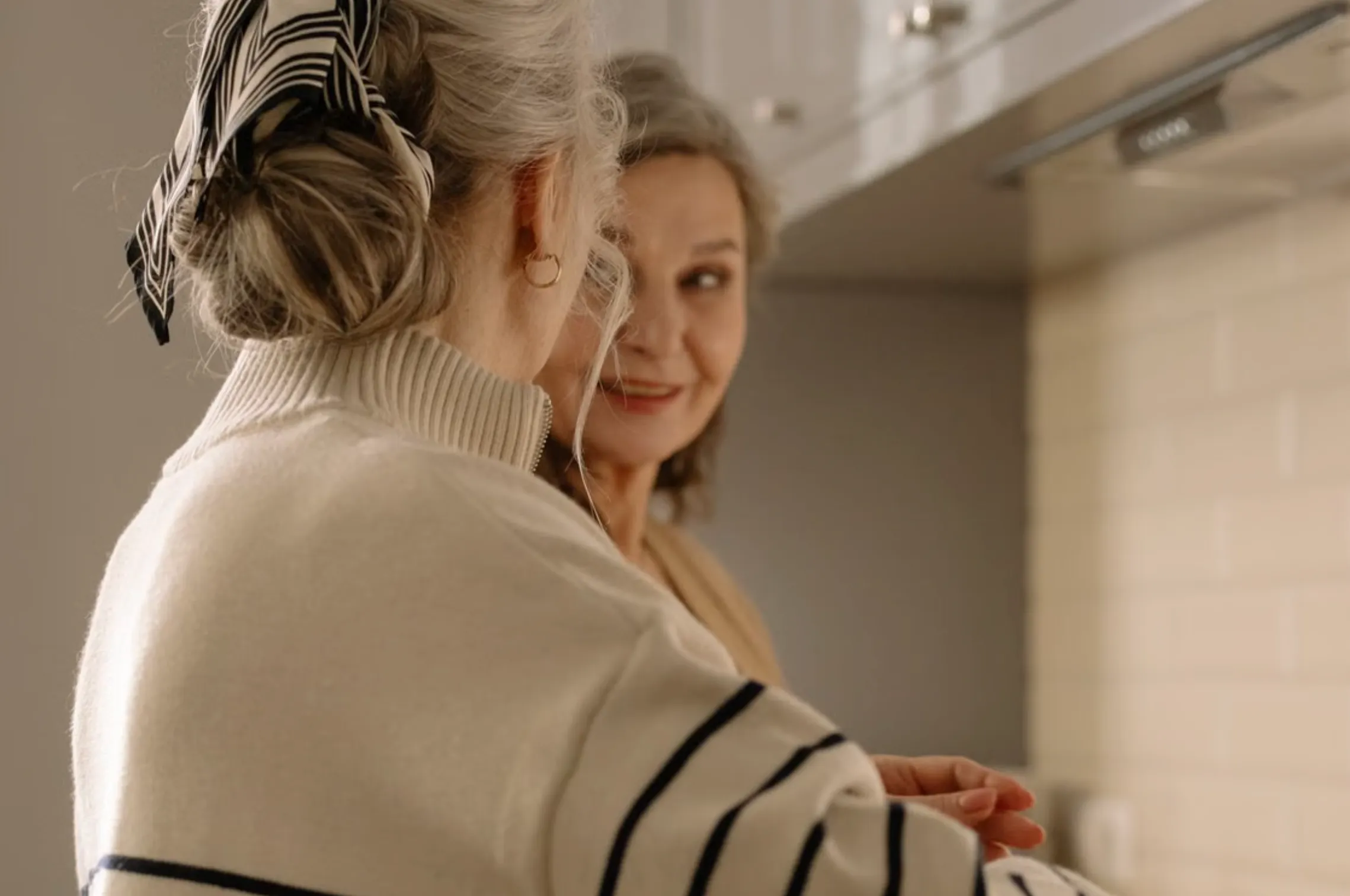
Everyday conversations carry more weight than we realize. The words we reach for first aren’t always the ones that help — and small shifts can change whether someone feels included or corrected.
Here are ten swaps worth practising.
Things That Help vs. Things That Hurt
❌ “Don’t you remember?”
✅ “Tell me about it.”
Takes the pressure off memory and invites conversation.
❌ Correcting every detail
✅ Go with the emotion behind the story.
Connection matters more than perfect facts.
❌ Talking over them
✅ Speak directly to them, even if someone else is with you.
It reminds them they’re still part of the conversation.
❌ Quizzing them (“Do you know who this is?”)
✅ Share the answer naturally. “Here’s your granddaughter Emma!”
Reduces anxiety and helps them feel successful.
❌ Rushing them
✅ Give them time to answer.
Processing can take longer, but that doesn’t mean they don’t have something to say.
❌ Saying “I already told you.”
✅ Answer again with patience.
For them, it may genuinely feel like the first time.
❌ Assuming they can’t participate
✅ Invite them anyway.
Everyone deserves the chance to say yes.
❌ Focusing on what they’ve forgotten
✅ Celebrate what they can still do.
It builds confidence and preserves dignity.
❌ Making every visit about care
✅ Laugh together, bake cookies, look at photos, go for coffee.
Relationships should still feel like relationships.
❌ Speaking like they’re a child
✅ Speak with respect and warmth.
Dementia changes memory, language and other functions, but not a person’s worth.
None of this requires perfect words. It just requires remembering that the person in front of you is still the person you know. 💙