Grace and Frankie: What Made Them So Refreshing

There’s a reason Grace and Frankie connected with so many people.
And it wasn’t just because it was funny.
Although it was funny.
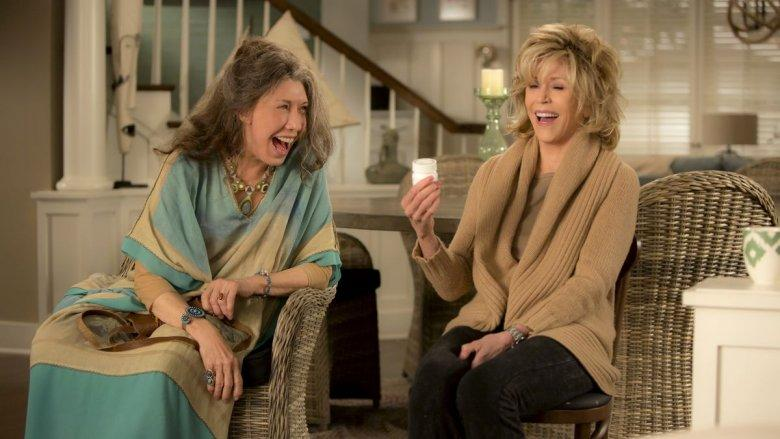
The show gave people something we almost never see on television: older women being fully human.
Not background characters. Not the stereotypical “sweet grandma.” Not reduced to being fragile, out of touch, or existing solely to support younger people’s storylines.
Grace and Frankie were messy. Opinionated. Difficult. Hilarious. Emotional. Stylish. Stubborn. Embarrassing. Sharp. Lonely sometimes. Completely chaotic other times.
They fought. They reinvented themselves. They started businesses. They dated. They got frustrated with their changing bodies. They made mistakes. They made each other laugh.
They felt real.
And that’s what made people fall in love with them.
So much of the media people consume tells the same story about aging over and over again: that life gets smaller as people get older. Less exciting. Less relevant. Less visible.
But Grace and Frankie completely pushed back against that idea.
The show never pretended aging was effortless. That’s part of what made it work so well.
There were moments about grief. Loneliness. Health changes. Losing independence. Feeling dismissed. Watching life shift in ways you can’t fully control.
But those experiences were never treated like the end of someone’s identity.
That’s the difference.
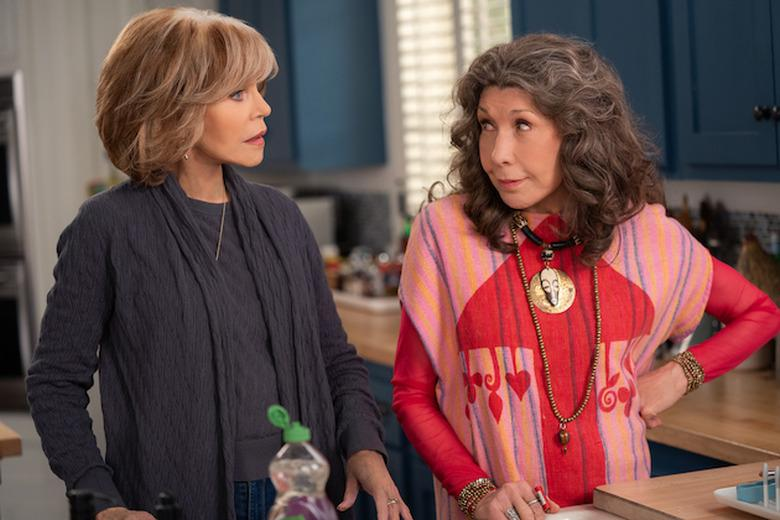
The characters were still allowed to be funny while going through difficult things. Still allowed to flirt, dream, change their minds, try new things, embarrass their children, and take up space.
The show understood something really important that society often forgets: people do not stop being themselves just because life changes around them.
And honestly, that’s probably why younger generations connected to the show so strongly too.
People are craving stories that feel human right now.
Not polished perfection. Not anti-aging messaging pretending growing older is something to “fight off” forever.
People want warmth. Personality. Friendship. Humour. Connection.
Grace and Frankie gave people a version of aging that still looked alive.
That matters more than people realize.
Because the stories we see around aging shape the way people experience it in real life. When older adults are constantly portrayed as burdens, punchlines, or invisible in media, it changes how society treats them too.
But when people see characters who are still fully participating in life — still laughing loudly, still showing up, still figuring things out — it quietly shifts something.
It reminds people that there is no age limit on personality.
Or friendship.
Or joy.
One of the nicest things about Grace and Frankie was the friendship at the centre of it all. Two completely different people continuing to choose connection, even while navigating change, uncertainty, frustration, and all the unpredictability that comes with getting older.
Because no matter what stage of life someone is in, people still want the same things most of us do.
To feel included, to feel understood, and to feel like they still matter in the room.
And maybe that’s why the show resonated with so many people across generations.
Not because it ignored the realities of aging.
Because it refused to let those realities erase the people experiencing them.